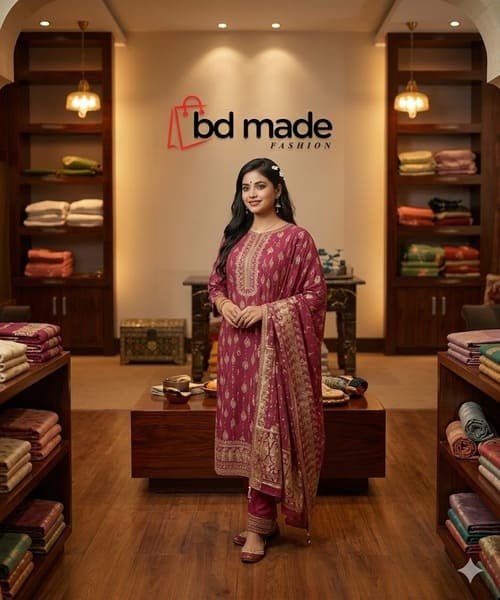
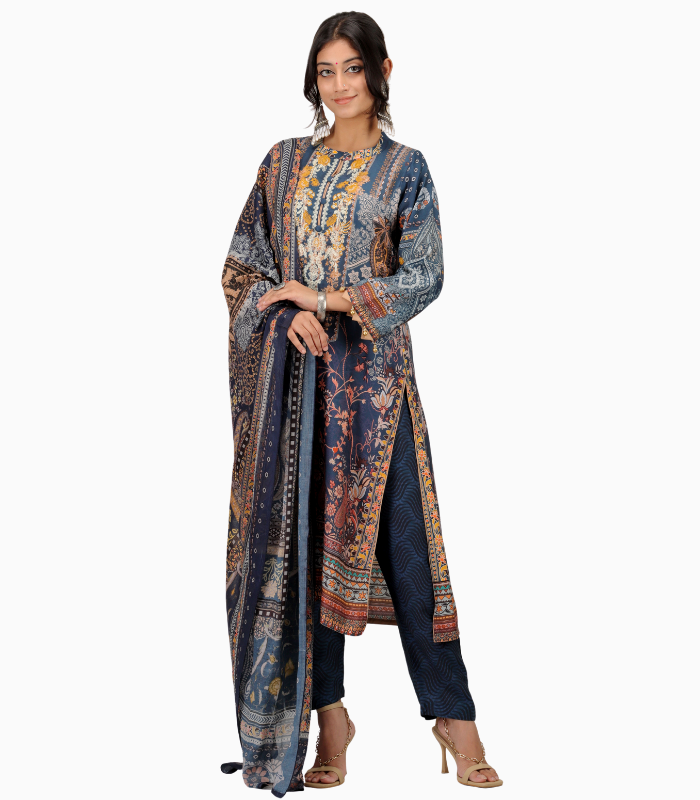
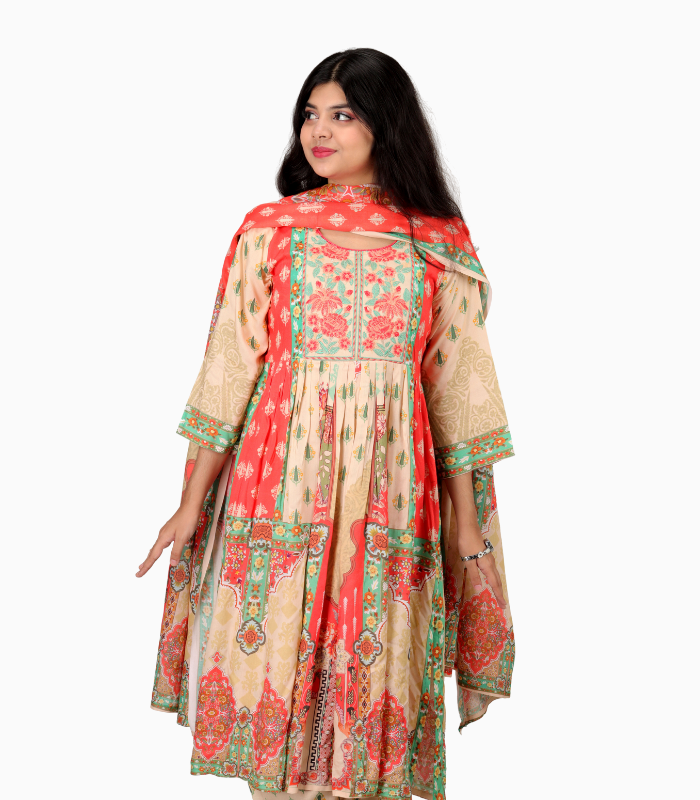
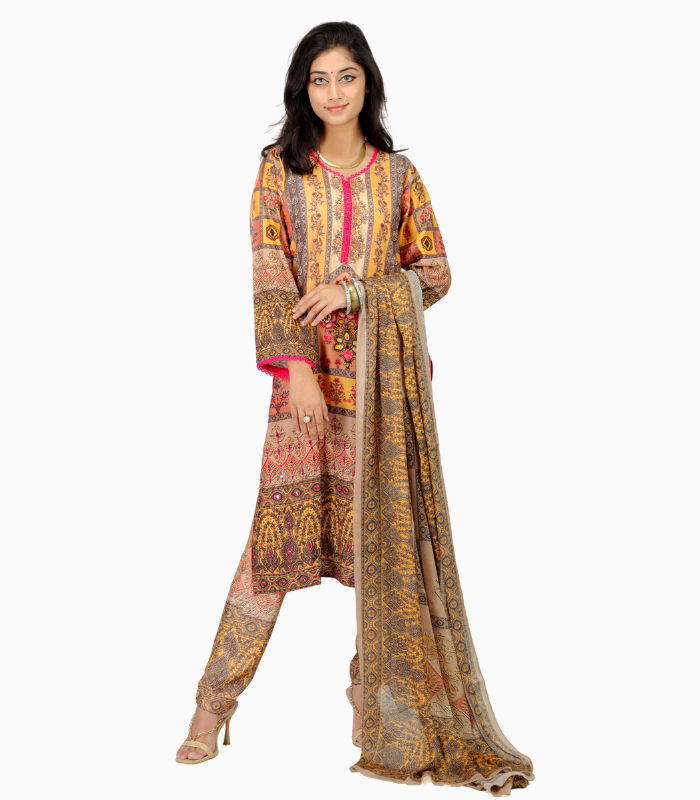
The History of Salwar Kameez: From Mughal Era to Modern Fashion

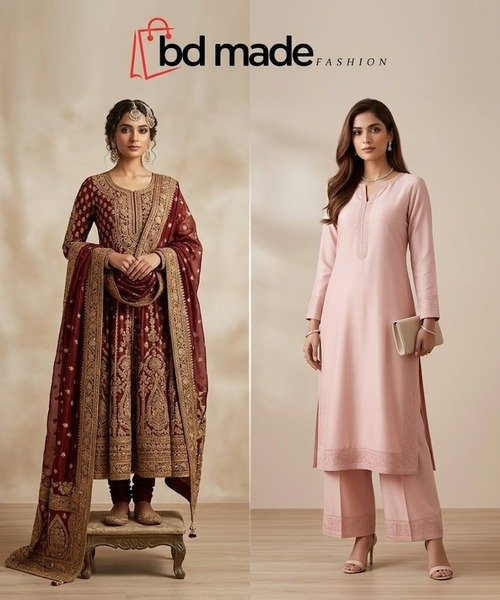
History of salwar kameez in Dhaka is not just about clothing—it is about identity, craftsmanship, and cultural continuity. In Bangladesh’s capital, where tradition and urban life intersect every day, this outfit carries centuries of legacy while adapting to modern taste. At BD Made Fashion, we believe understanding the roots of what you wear deepens your connection to it.
The story begins in the courts of the Mughal Empire, where royal tailoring, fine fabrics, and intricate embroidery shaped early South Asian style. Over time, this attire traveled across regions, evolving with climate, culture, and social norms. In Dhaka, a city known for muslin heritage and textile artistry, the outfit became both practical and expressive.
Today, when customers explore our Salwar Kameez Collection, they are participating in a living tradition. This article breaks down the origins, evolution, and local significance of this attire—crafted from the perspective of a Dhaka-based fashion brand deeply rooted in textile heritage.
History of Salwar Kameez in Dhaka – What It Is & Why It Matters in This City
Understanding the history of salwar kameez helps explain why it remains essential in Dhaka’s fashion culture. Originally shaped by mughal fashion, the ensemble combined modesty, comfort, and regal elegance. The three-piece structure—loose trousers, long tunic, and flowing scarf—allowed movement while maintaining grace.
Why does this matter specifically in Dhaka?
First, climate. Dhaka’s humid summers demand breathable fabrics and loose silhouettes. The design naturally supports airflow, making it suitable for daily wear. Second, lifestyle. From university campuses in Dhanmondi to corporate offices in Motijheel, women need attire that transitions seamlessly between formal and casual settings.
This is also where traditional dress evolution becomes visible. In Old Dhaka neighborhoods, you’ll find heavily embroidered festive versions worn during weddings and Eid. In Gulshan and Banani, modern cuts and pastel palettes dominate. The adaptability of this outfit has allowed it to remain culturally relevant while adjusting to contemporary preferences.
At BD Made Fashion, our goal is to bridge heritage and modern demand. When customers visit our Bd Made Fashion, they’re not just browsing products—they’re engaging with a piece of Dhaka’s cultural narrative shaped by centuries of craftsmanship.
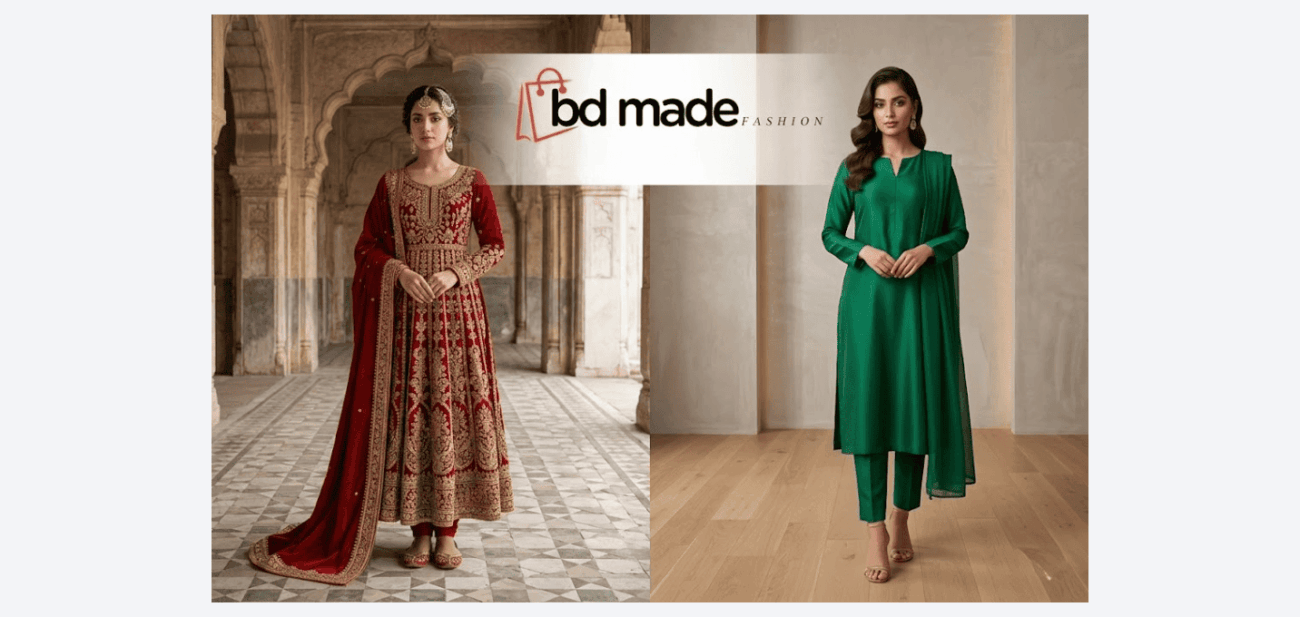
History of Salwar Kameez in Dhaka – Timeline Overview
| Era | Influence | Fabric & Style | Cultural Significance |
| Mughal Period | Royal courts | Silk, brocade, embroidery | Elite and aristocratic wear |
| Colonial Era | Regional adaptation | Cotton, muslin | Daily practicality increased |
| Post-Independence Bangladesh | National identity | Handloom, jamdani elements | Cultural pride |
| Modern Dhaka | Urban fusion | Georgette, chiffon, silk blends | Fashion-forward & versatile |
Expert Tips on Understanding History of Salwar Kameez in Dhaka
At BD Made Fashion, historical awareness shapes our design philosophy. Here’s how we interpret heritage responsibly:
- Preserve embroidery techniques inspired by Mughal artistry
- Adapt silhouettes for Dhaka’s climate
- Use locally sourced fabrics when possible
- Blend classic motifs with modern color palettes
- Prioritize comfort without sacrificing elegance
- Educate customers through blogs like our guide on What is Salwar Kameez in Dhaka
History of Salwar Kameez in Dhaka – Mughal Roots and Cultural Identity
History of salwar kameez cannot be discussed without examining royal influence. During the Mughal era, tailored garments symbolized refinement and social standing. Structured tunics, rich silks, and elaborate embellishments defined upper-class wardrobes.
As trade routes expanded, these designs moved eastward, blending with Bengal’s weaving traditions. Dhaka, famous for muslin, played a pivotal role in shaping lighter, breathable versions of royal attire. Over time, the garment transitioned from palace courts to everyday households, representing the cultural attire origin of many Bangladeshi families today.
Modern brands like ours draw inspiration from that period but reinterpret it for today’s wearer. For instance, our Three-Piece Boutique Collection incorporates heritage embroidery with contemporary tailoring—keeping the story alive while making it practical for urban life.
History of Salwar Kameez in Dhaka – Fabric & Design Evolution
| Element | Historical Version | Modern Dhaka Version |
| Fabric | Heavy silk, brocade | Lightweight silk blends, cotton |
| Cut | Floor-length royal silhouettes | Knee-length, straight-cut, Anarkali |
| Embroidery | Handcrafted zari | Machine & hand fusion |
| Usage | Court & elite events | Daily wear to weddings |
History of Salwar Kameez in Dhaka – Modern Revival & Local Fashion
History of salwar kameez in Dhaka today reflects revival rather than replacement. Globalization introduced Western outfits, yet the salwar kameez remained central during cultural events. Eid, weddings, and Pohela Boishakh continue to spotlight traditional designs.
In recent years, local consumers have become more quality-conscious. They want authenticity, breathable fabrics, and heritage elements—without compromising convenience. That’s why online platforms like ours have grown rapidly. Customers browse collections, compare fabrics, and order with confidence.
When exploring children’s festive options, some customers even look at resources like this guide on where to buy kids ready saree online in Bangladesh to complement family outfits.
Key modern considerations in Dhaka include:
- Weather adaptability
- Office-friendly cuts
- Easy online ordering
- Secure payment options
- Reliable size charts
- Fast delivery inside city limits
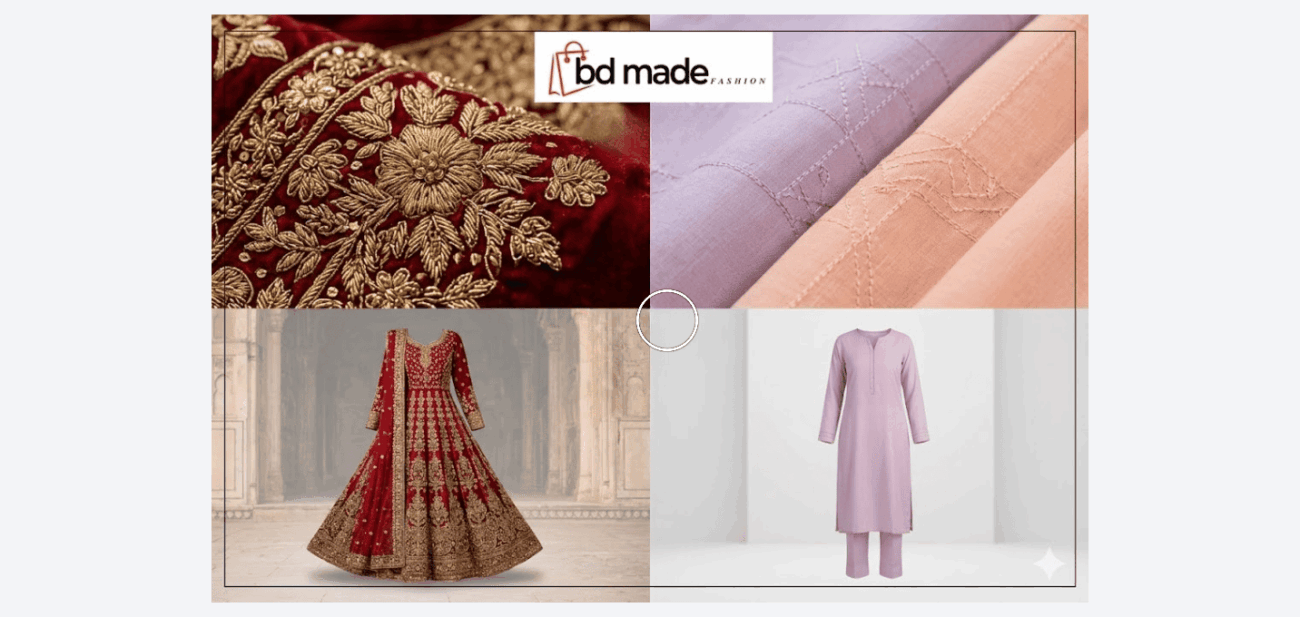
History of Salwar Kameez in Dhaka – Why It Remains Essential
History of salwar kameez continues to shape identity in Dhaka because it balances legacy and lifestyle. It adapts to seasons, social expectations, and personal style. Whether attending a wedding in Uttara or celebrating Eid in Mohammadpur, this attire remains relevant.
More importantly, it represents generational continuity. Mothers pass designs to daughters. Designers reinterpret motifs. Brands like BD Made Fashion preserve authenticity while innovating responsibly.
For those who want to understand our brand philosophy, visit our About Us page.
FAQs About History of Salwar Kameez in Dhaka
- How much does a historically inspired salwar kameez cost in Dhaka?
Prices range from ৳1,500 for simple cotton sets to ৳12,000+ for premium embroidered silk designs. - How long does it take to receive delivery in Dhaka?
Typically 2–5 business days within city areas. - What is the process to order online?
Visit our website, choose your product, add to cart, and confirm checkout. Assistance is available via our Contact Page. - Are there specific sizing requirements?
We provide detailed measurement charts tailored to local body standards. - Is it suitable for Dhaka’s weather?
Yes. Modern versions prioritize breathable fabrics ideal for humid conditions. - Why is Mughal influence still visible today?
Because royal tailoring defined early standards of elegance that continue to inspire modern adaptations.
Get In Touch
If you’re looking to explore a wide variety of silk sarees for festivals in Dhaka, visit us at:
Golden Gate Shopping Center, 28 Mirpur Road, Dhaka, Bangladesh
Phone: (+880) 1712-800900
Email: dr.imu71@gmail.com